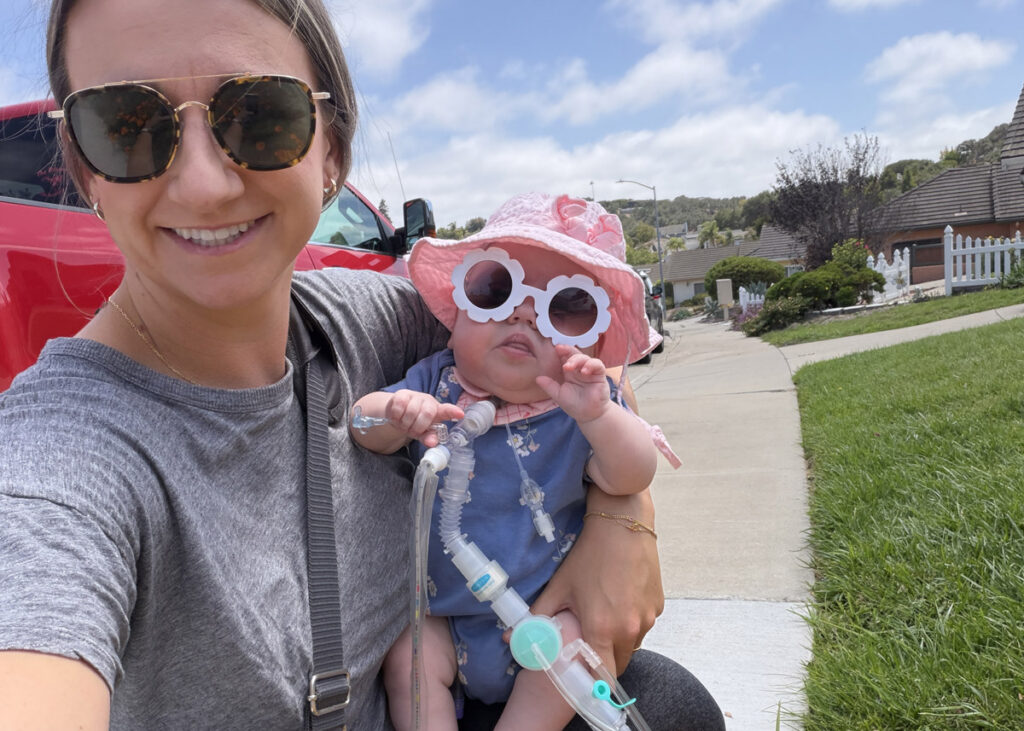
There’s a moment many parents of premature babies remember with striking clarity: standing beside an isolette, watching tubes and monitors surround a baby who was supposed to have a few more weeks or months to grow, and being asked what feels like an impossible question: What are we feeding this baby?
For most expecting parents, feeding decisions happen slowly, over weeks, with time to research and ask questions. For parents of preemies, that timeline shrinks. A baby born eight, 10, or 12 weeks early may need to eat within hours of birth, long before a mother’s milk has fully come in, and sometimes before she’s even out of recovery herself. It’s a decision made in the middle of fear, exhaustion, and a hospital room that doesn’t feel real yet.
Why the decision carries so much weight
For premature infants, what they’re fed in those earliest days isn’t just about nutrition. It’s about survival. Preemies are born with immature digestive systems and underdeveloped immune defenses, which puts them at higher risk for serious complications, including a dangerous intestinal condition called necrotizing enterocolitis (NEC). Human milk, whether from the baby’s own mother or from a pasteurized human milk donor, contains antibodies and protective compounds that formula cannot replicate. For the smallest and most fragile babies, that difference can be life-altering.
Many parents don’t know until they’re in this position that donor milk exists as an option. Some feel an unexpected wave of relief when a NICU nurse mentions it. Others feel a quiet grief, mourning the version of feeding they’d imagined even while holding gratitude that their baby has options at all. Both feelings are valid, and neither cancels out the other.
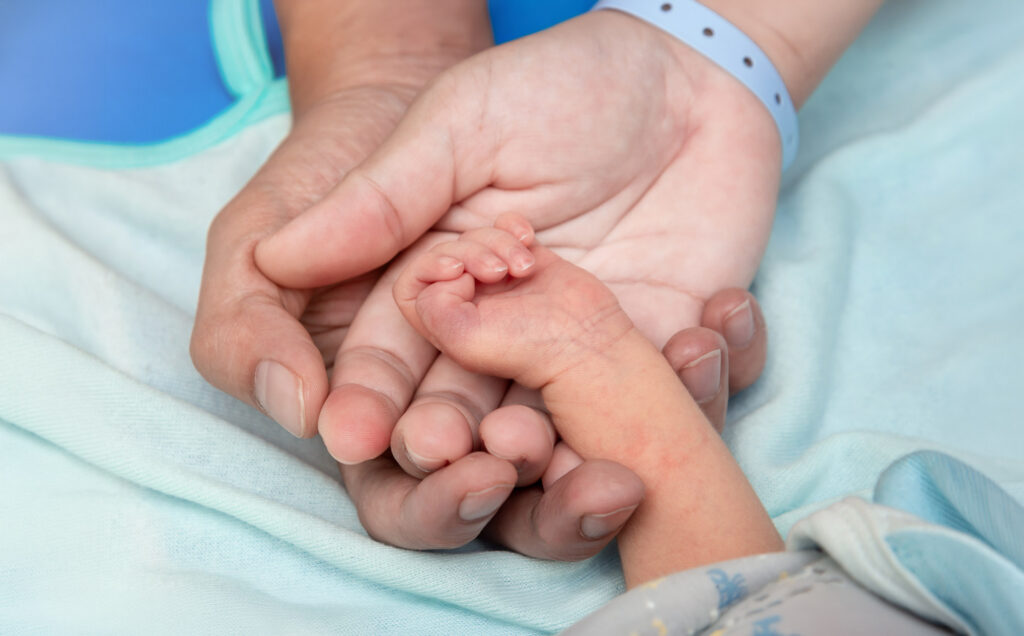
What parents wish they knew sooner
At Mothers’ Milk Bank, we’ve talked to countless families who’ve been through the fear, sleepless nights, and confusion of preemie birth. A few things come up again and again:
It’s not a failure.
A mother’s milk not being available yet, whether due to delayed onset of lactation, medical complications, or simply the shock of early delivery, is common and expected. It doesn’t reflect on her as a parent.
Donor milk is rigorously screened.
Every Mothers’ Milk Bank donor goes through health screening and blood testing, and milk is pasteurized before it reaches a baby. The use of human donor milk is safe if it is secured, tested, pasteurized, and stored according to the guidelines set forth by Human Milk Banking Association of North America (HMBANA). As a charter member of HMBANA, Mothers’ Milk Bank California’s process is the gold standard for safe human milk donation. There are health and safety risks for the baby if the milk is secured outside of HMBANA/Mothers’ Milk Bank California standards. Receiving donated milk from us is a safe, medically supported option, not a last resort.
The decision can change whenever you need or want it to.
Many parents start with donor milk and transition to their own milk as supply builds, or use a combination for weeks or months. It’s rarely one choice made forever!
Asking questions is encouraged.
NICU staff, nurses, and lactation consultants expect parents to have questions, worries, and even resistance when there are so many scary unknowns. There’s no such thing as too many questions in that first week – but if it’s questions about feeding, don’t hesitate to reach out to us directly. We can help!
Why this matters to all of us
Every ounce of donor milk in a NICU exists because someone else – a mother with extra milk and a willingness to share it – decided to help a baby she’ll likely never meet. For parents living through the first feeding decision, that generosity can mean the difference between a terrifying unknown and a safe, supported path forward.
If you’re looking for more information as you prepare for delivery, here are 10 essential conversations to have about feeding before birth.