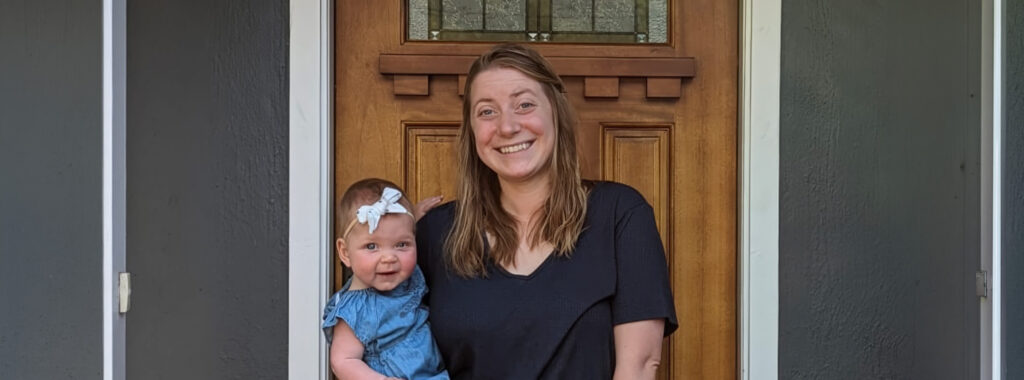
If you’re breastfeeding or pumping right now, there’s a chance you’ve had more milk than your baby needed on any given day. Maybe your freezer stash grew faster than you expected, or your baby weaned earlier than planned and you’re left with bags and bags of milk you don’t know what to do with. Of course, this isn’t the case for every mom, and we encourage you to get the help you deserve if you’re struggling with supply or having lactation challenges. Many moms have a hard time producing enough milk for their own babies, and that’s a real and often difficult experience in its own right. But for those of you who do find yourselves with a milk surplus, becoming a milk donor might not be on your radar. Here are some things to think about.
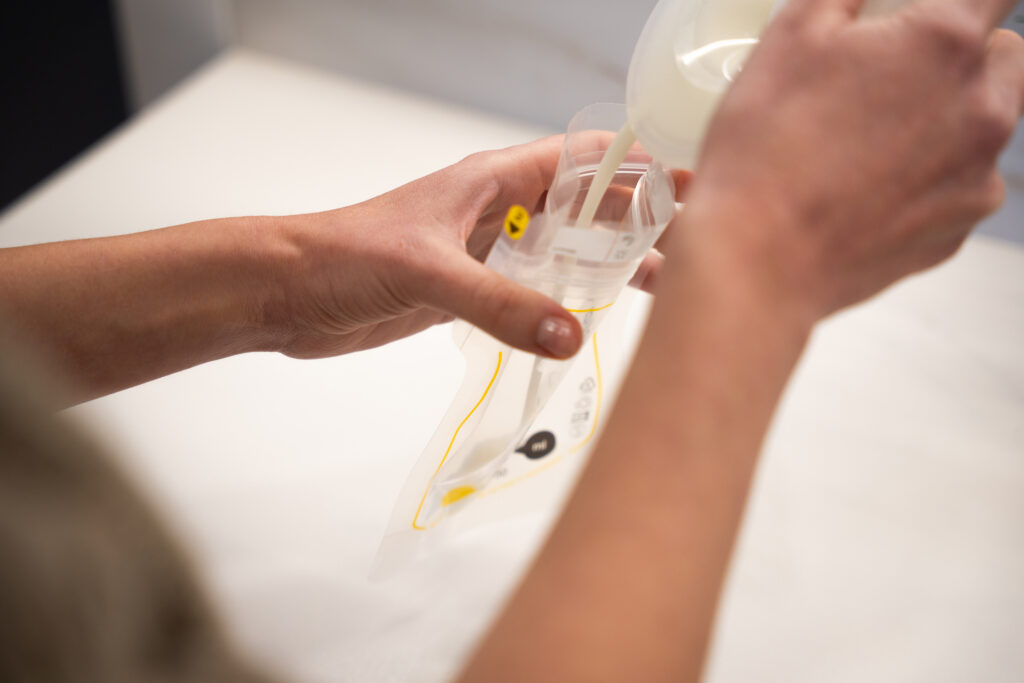
You don’t need to have an oversupply to qualify
One of the biggest myths about milk donation is that it’s only for moms who are “overproducing.” In reality, many donors are simply moms who pumped a little extra here and there, moms whose babies started solids sooner than expected, or moms who are weaning and have milk left in the freezer. If you’re generally healthy and willing to complete a short screening process with our outstanding donor services team, there’s a good chance you’ll qualify to donate milk.
Your milk could save a baby’s life
Donor milk isn’t just a nice-to-have for babies whose mothers’ own milk is unavailable. For premature and medically fragile infants in the NICU, it can be lifesaving. Human milk contains antibodies and nutrients that formula simply cannot replicate, and for the tiniest, most vulnerable babies, it significantly lowers the risk of serious complications like necrotizing enterocolitis (NEC). When you donate, you’re going beyond generosity – you’re directly protecting a baby’s health during the most critical weeks of their life.
The process is simpler than you think
Many moms assume milk donation involves complicated logistics, expensive shipping, or an invasive medical exam. In truth, most milk banks handle this with you every step of the way – including ours! Here’s what you can expect:
- A brief phone interview with our donor services team about your health and lifestyle
- A simple blood test (covered at no cost to you)
- Guidance on how to safely collect, label, and store your milk
- Free shipping or a local drop-off location for your donation
- Endless appreciation, perks, and gratitude!
There’s no cost to you as a donor, and we provide the shipping supplies, insulated cooler, and prepaid FedEx shipping label directly to your door. Learn more about the process here.

You don’t have to have a huge amount to make an impact
Another misconception: donors need gallons and gallons of stockpiled milk to make a difference. If you’ve collected 100 ounces or more of frozen milk, we invite you to start the process today.
It can be part of your healing, too
For some moms, especially those who’ve experienced loss, weaning grief, or a NICU stay of their own, donating milk becomes a meaningful way to process that experience and honor your baby. Knowing that milk is going to another baby in need can bring a real sense of purpose and connection, even in the middle of a hard season. “I knew I wanted to continue my breastfeeding journey after my son passed away because it was the only thing I could do for him,” writes Anna Goss. “I know how beneficial breastmilk is, and I wanted other sick babies in the NICU to grow big and strong when my own son couldn’t. Even with the sadness, I’m comforted knowing that I was able to nurture my son and so many other babies in need. I have donated more than 2,000 ounces of milk since my journey began.”
Wondering if you qualify?
If you’re a breastfeeding or pumping mom with extra milk in the freezer, you may be closer to becoming a donor than you think. Reach out today to start the screening process. It takes just a few minutes, and it could mean everything to a baby who needs it most.
Looking for more inspiration for becoming a milk donor? Check out these heartwarming love notes from one donor mom to another.