
At Mothers’ Milk Bank California, we are dedicated to providing comprehensive support and resources to breastfeeding mothers and their families. We understand the challenges that can come with breastfeeding and are here to help you navigate them every step of the way. We offer vital support for families in need of donor breast milk, ensuring every baby has access to the best possible nutrition.
Educational Materials

Breastfeeding: Nourish, bond, and thrive together
Discover more about the incredible benefits of breastmilk. Learn why it’s essential for your baby’s nutrition, development, and lifelong health.

Storing and handling breast milk safely
Expert-backed advice to help you understand safe breast milk storage and learn practical ways to handle it with confidence.

Managing sore nipples from breastfeeding
Warm, professional advice to help you understand common causes of sore nipples and learn practical ways to ease discomfort.

Preventing and managing breast pain
This guide walks through common causes of breast pain and offers practical, evidence-based strategies to help you breastfeed more comfortably.
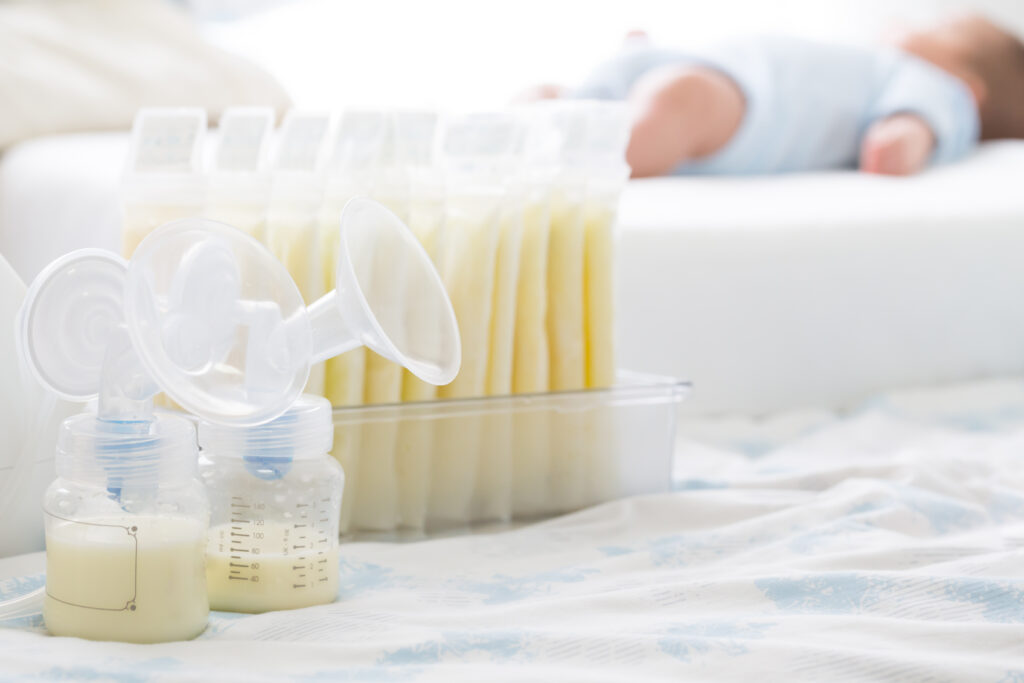
Pumping and donating breast milk to MMBCA
Essential steps for preparing, pumping, and storing your milk for donation, ensuring it meets high safety standards.

How to hand express breast milk
This guide will walk you through everything you need to know to hand express with confidence and ease.

When to call a lactation consultant
Knowing when to reach out for professional support can make all the difference in your breastfeeding journey.

Boosting your milk supply
We will cover how to improve breast stimulation, use pumping strategically, and care for your own body during this demanding time.

Understanding changes in your breast milk
This guide will help you understand what’s normal, what may need attention, and when to reach out for support.
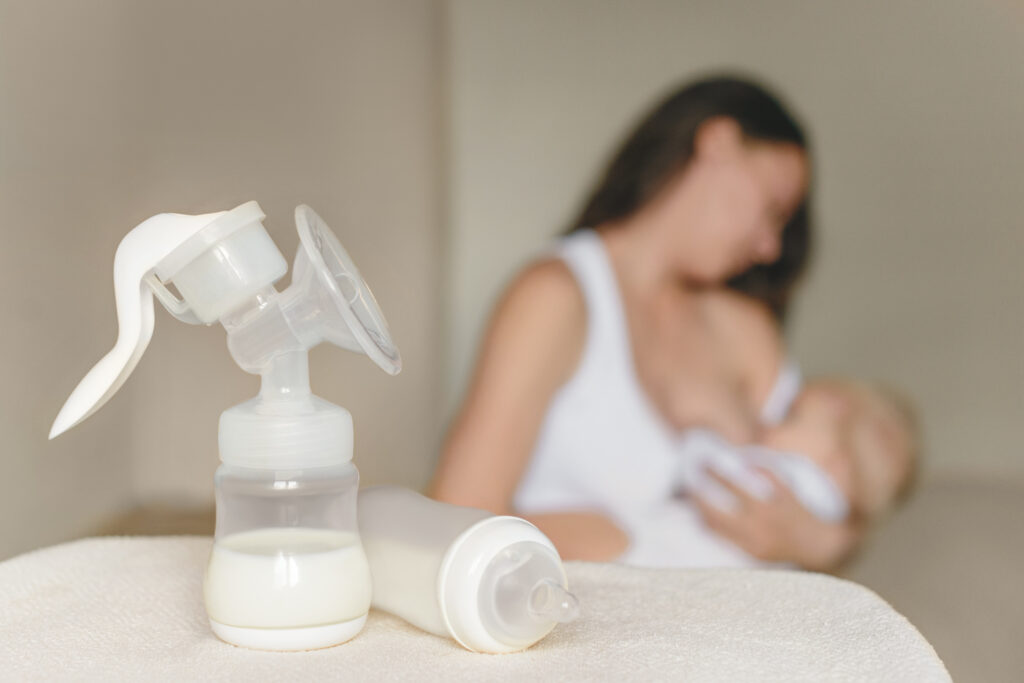
A guide to your feeding options
We’ll walk through feeding options, what you truly need to get started, and how to choose what supports both your baby and your own well-being.

Breastfeeding preparation guide
This guide will walk through what to expect, the science-backed benefits of human milk, practical ways to prepare, and where to find support when you need it.

When your baby needs NICU care
A guide to understanding why babies need NICU care, how feeding works, and how you can support your baby during this time.

Preparing to Feed Your Baby: A Simple Third-Trimester Guide for First-Time Parents
Preparing to feed your newborn? Learn what to expect in the first days, how to build a feeding plan, and explore breastfeeding, pumping, and donor milk options.
Breastfeeding Counseling
Looking for guidance? Connect with a counselor in your area. Find support here.
Breast Milk Importance
According to John Hopkins Medicine, breast milk is the perfect food for your baby since it is gentle on your baby’s developing stomach, intestines, and other body systems.
Only breastfeeding for at least the first 6 months of life is best for your baby. This is called “exclusive” breastfeeding. Breastmilk can be expressed and fed to your baby in a bottle, as needed.’
You should not give your baby water, sugar water, formula, or solids during his or her first 6 months. The only exception to this is when your baby’s healthcare provider tells you to.
Benefits of Breast Milk
- Compared to alternative sources for baby’s milk, the nutrients in breastmilk are better absorbed and used by your baby. These include sugar (carbohydrate) and protein.
- Breastmilk has the nutrients that are best for your baby’s brain growth and nervous system development. Studies of breastfed babies have found that they do better on intelligence tests when they grow older (Isaacs et al., 2011).
- A breastfed baby’s eyes also work better. This is mostly because of certain types of fat in breastmilk.
Preventing Infections
- Breast milk has many disease-fighting factors. They help prevent mild to severe infections and hospitalization.
- Breastfed babies have far fewer digestive, lung, and ear infections.
- Babies born early (premature) who are breastfed are also less likely to get a serious infection of the intestines called NEC (necrotizing enterocolitis).
- If your baby gets an infection when breastfeeding, the infection is likely to be less severe.
Preventing Other Conditions
- A lower risk for SIDS (sudden infant death syndrome) than babies who are not breastfed.
- A lower risk of getting asthma and skin problems related to allergies. Formula-fed babies are more likely to have milk allergies.
- Less diarrhea and a lowered chance of getting some digestive conditions. Formula can actually change healthy bacteria in a baby’s intestines. The bacteria help with digestion and fighting disease.
- A lower risk of developing leukemia.
- Fewer long-term health problems as they grow up. These include diabetes and obesity.
Who Should Not Exclusively Breastfeed?
- Your baby has certain health problems. Breastmilk only is usually recommended, but you may need to add formula or other liquids. For example, your baby may need this if he or she has low blood sugar (hypoglycemia), or loss of body fluids (dehydration).
- You have or have had certain health problems. There are few reasons why you should not breastfeed your baby. Some infections can be passed through your breastmilk. Also, women taking certain medicines or using drugs or alcohol should not breastfeed.
Community Partnerships
We collaborate with a network of community partners, including the California Breastfeeding Coalition, Breastfeed LA, WIC and others to ensure that you have access to a wide range of resources and support services.
Donor Breast Milk Support
If you are unable to breastfeed or need supplemental milk for your baby, donor breast milk can be a lifesaving option. Here’s what to do if your baby needs donor breast milk:
Steps to Obtain Donor Breast Milk
- Contact Mothers’ Milk Bank California: Reach out to us to discuss your needs and begin the process of obtaining donor breast milk. Our team will guide you through the steps and answer any questions you may have.
- Provide Required Information: You will need to provide some information, including your baby’s medical history. Let’s begin by filling out this form.
- Milk Distribution: Once approved, we will coordinate the distribution of donor breast milk to ensure your baby receives the nutrition they need. Our milk is pasteurized and screened to ensure safety and quality.
We’re Here to Help
Visit our FAQs to find more answers to the most common breastfeeding questions and concerns.
For more information on breastfeeding resources and obtaining donor breast milk, please contact us at:
Email: info@MothersMilk.org
Phone: 877-375-6645