
Expecting a new baby brings incredible joy—and a long list of important decisions. As you prepare your home and your heart for your little one, you may find yourself wondering about the best way to nourish them.
Feeding your baby is one of the most meaningful parts of early parenthood. Understanding your options ahead of time can help you feel more confident and less overwhelmed.
Many parents receive advice from everywhere—friends, family, social media, and the internet. It can feel like a lot. The truth is: every parent and baby pair is unique. What works beautifully for one family may not be the right fit for another.
This guide will walk you through your primary feeding options, what you may (and may not) need to get started, and how to make a decision that supports both your baby’s health and your own well-being—including options you may not have heard about yet, like donor human milk.
You don’t have to have it all figured out—you just need a place to begin.
What Are the Feeding Options to Choose From?
When it comes to feeding your newborn, there are three main approaches. Many families also move between these options over time.

Breastfeeding / Chestfeeding
Breastfeeding (also referred to as chestfeeding) is widely recognized as the optimal source of nutrition for infants. Leading health organizations such as the World Health Organization (WHO) and the American Academy of Pediatrics (AAP) recommend exclusive human milk feeding for about the first six months when possible.
Human milk is uniquely tailored to your baby. It contains antibodies, enzymes, and living components that support immune protection and development. Research shows that babies who receive human milk have lower rates of ear infections, respiratory illness, and gastrointestinal issues.
Beyond nutrition, feeding at the breast also supports bonding through skin-to-skin contact, which helps regulate your baby’s temperature, heart rate, and stress levels.
From a lactation perspective, it’s important to remember: breastfeeding is a learned process for both parent and baby. Early support can make a meaningful difference in comfort, milk supply, and overall experience.

Formula Feeding
Infant formula is a nutritionally complete alternative to human milk. It is carefully designed to provide the essential nutrients babies need for healthy growth and development.
From a pediatric standpoint, formula supports appropriate growth when prepared and used correctly.
Families may choose formula feeding for many reasons, including medical considerations, personal preference, or lifestyle needs. It can also allow partners and caregivers to participate more directly in feeding.
Mixed Feeding (Combination Feeding)
Mixed feeding combines human milk and formula. This approach offers flexibility and is very common.
Families may choose this option when:
- Returning to work or school
- Managing milk supply challenges
- Sharing feeding responsibilities
- Supporting maternal mental health
Even small amounts of human milk provide meaningful immune benefits, while formula ensures your baby receives the calories needed to grow and thrive.
Donor Human Milk (When Additional Support is Needed)
In some situations, families may need additional support to provide human milk. Pasteurized donor human milk is a safe, medically recommended option—especially for premature or medically fragile babies, but increasingly for families at home as well.
Donor milk comes from carefully screened donors and is processed and tested to meet rigorous safety standards. It retains many of the protective properties of human milk and is often used in hospitals when a parent’s own milk is not yet available.
From both pediatric and lactation perspectives, donor milk can:
- Support digestion and tolerance, especially in early life
- Provide immune protection during a critical window of development
- Serve as a bridge while milk supply is being established
In California, families may have access to donor milk through nonprofit milk banks like Mothers’ Milk Bank California, which has been serving hospitals and families for over 50 years.
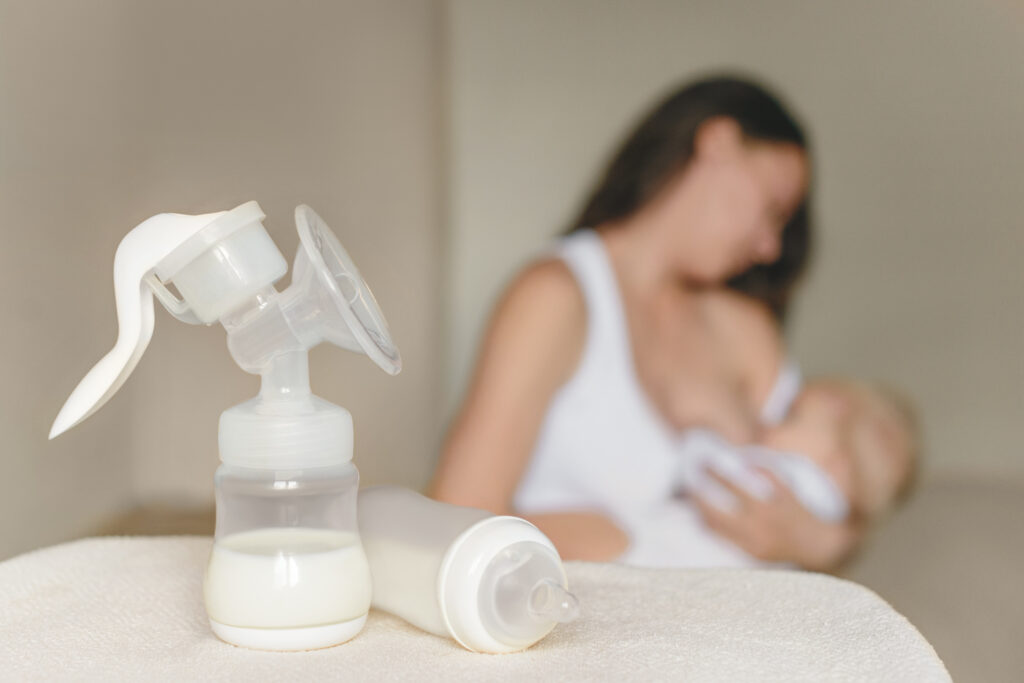
What Feeding Materials and Equipment Should I Prepare?
It’s natural to want to be fully prepared—but you don’t need everything right away.
Many feeding tools are optional, and babies often help guide what you actually need. It’s also perfectly okay to start simple and add items over time. Many supplies can be borrowed, purchased secondhand, or shared within your community.
For Breastfeeding / Chestfeeding
Breastfeeding does not require a lot of equipment, but a few supportive items can help:
- Nursing bras or tank tops
- Breast pump (if planning to express milk)
- Milk storage containers
- Nipple care (including expressed milk, which has natural healing properties)
- Support pillow (optional)
- Nursing cover (optional)
Support, positioning, and guidance often matter more than products.
For Formula Feeding
- Infant formula (consult your healthcare provider if needed)
- Bottles and nipples
- Bottle brush and drying rack
- Sterilization method (boiling water, microwave bags, or sterilizer)
Safe preparation and storage are essential.
For Mixed Feeding
A combination of the above—with an emphasis on flexibility. Start with the basics and adjust as your routine develops.
How Do I Know Which Option is Best for My Baby?
Choosing how to feed your baby is personal—and sometimes the answer evolves over time.
Start by talking with your healthcare provider (pediatrician, OB-GYN, midwife, or nurse practitioner) and, if possible, a lactation consultant (IBCLC).
They can help you consider:
- Your health history
- Your baby’s needs
- Feeding goals and preferences
If breastfeeding is not possible or needs supplementation, your provider may also discuss donor human milk as an option—particularly if maintaining a human milk diet is important to you.
Your lifestyle and support system matter too. Feeding should work for your real life—not just an ideal plan.
The goal is simple:
- A baby who is growing and thriving
- A parent who feels supported and well
Moving Forward with Confidence
Preparing for a new baby is a journey filled with learning, adjustment, and care.
By understanding your feeding options—including breastfeeding, formula, combination feeding, and donor milk—you are already taking an important step.
Gather what you need (but not everything), seek support early, and stay open to adjusting along the way.
A fed, loved baby is what matters most.
And just as importantly—a supported, cared-for parent matters too.
If you need additional guidance, consider reaching out to:
- A lactation consultant (IBCLC)
- Local or virtual feeding support groups
- Your healthcare provider
- Or a trusted nonprofit milk bank like Mothers’ Milk Bank California, which provides screened, pasteurized donor milk to families and hospitals across the state
And one final note:
There is no perfect way to prepare—and you don’t have to do this alone.