
Welcome to motherhood. As you prepare to welcome your little one, you may be thinking a great deal about how you will feed your baby. Whether you plan to breastfeed or chestfeed, it’s important to know that while feeding your baby is a natural process, it is rarely a perfectly predictable journey.
Every parent and baby pair has a unique experience—and that is completely normal.
Setting realistic expectations from the beginning can significantly reduce postpartum anxiety. Understanding that there is a learning curve helps you feel more empowered and less discouraged if things do not go exactly as planned.
Medical organizations like the American Academy of Pediatrics (AAP) and the World Health Organization (WHO) strongly recommend human milk as the optimal source of nutrition for infants. However, the day-to-day experience of feeding your baby takes time, support, and practice.
As California’s Milk Bank, Mothers’ Milk Bank California has supported families and the most vulnerable babies for over 50 years. We are here as a trusted partner—offering safe donor milk, education, and support throughout your feeding journey.
In this guide, we will walk through what to expect, the science-backed benefits of human milk, practical ways to prepare, and where to find support when you need it.
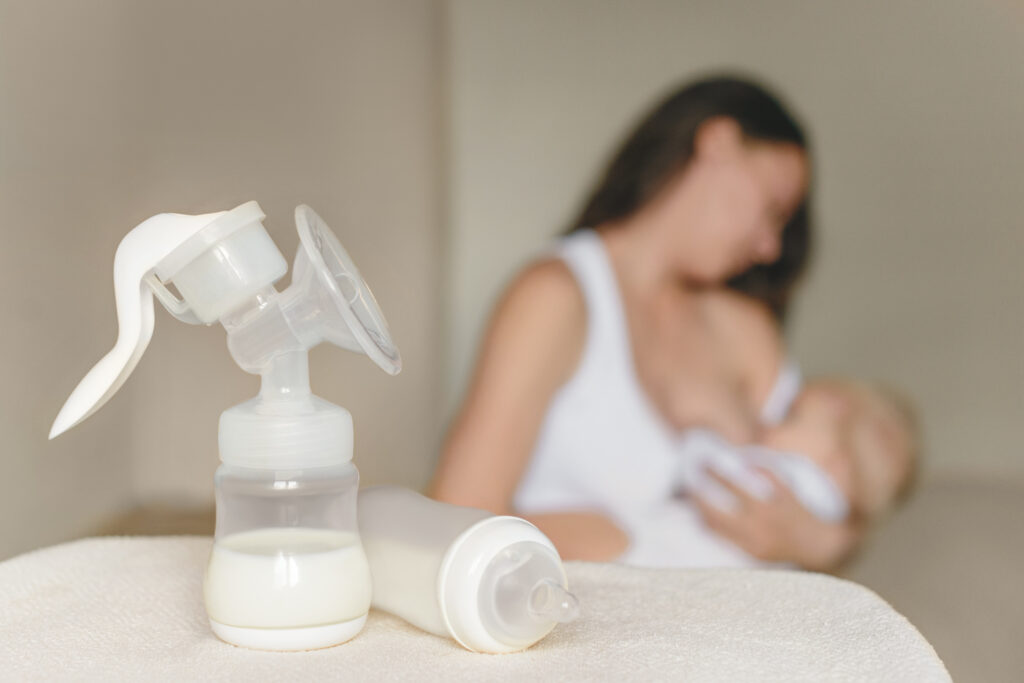
What New Parents Need to Know About Breastfeeding
Breastfeeding (or chestfeeding) is a learned skill—for both you and your baby. It takes time, practice, and patience. Your baby is learning how to latch and transfer milk, while your body is learning how to produce and release it efficiently.
In the early days after birth, your body produces colostrum—a thick, golden milk that is rich in antibodies and highly concentrated nutrition. Though small in volume, it is exactly what your baby needs. Within a few days, your milk will transition to mature milk, and you may notice your breasts feeling fuller or heavier. This is a normal and expected part of the process.
Feeding patterns vary widely. Some babies feed very frequently (especially during cluster feeding periods), while others may space feeds out more. Both can be normal.
It is important to avoid comparing your experience to others—especially what you may see on social media. Online content can often be incomplete or misleading when it comes to medical guidance. Instead, rely on trusted, evidence-based resources and clinical support when needed.
Your journey is your own—and you are learning alongside your baby.
Why Consider Breastfeeding
The benefits of human milk are extensive and well-documented.
For babies, human milk:
- Provides complete, easily digestible nutrition
- Supports gut development and immune system maturation
- Reduces the risk of infections, including ear, respiratory, and gastrointestinal illnesses
- Lowers the risk of Sudden Infant Death Syndrome (SIDS)
- Is associated with reduced rates of asthma and childhood obesity later in life
For mothers, breastfeeding offers important health benefits as well:
- Promotes uterine involution and reduces postpartum bleeding
- Lowers the risk of breast and ovarian cancers
- May reduce the risk of type 2 diabetes and cardiovascular disease
- Supports emotional bonding through oxytocin release
- Can contribute to improved postpartum recovery and mental well-being
Human milk is not only nutrition—it is a dynamic, living substance that adapts to your baby’s needs.
How to Prepare for Breastfeeding
Mental and Educational Preparation
Preparation can make a meaningful difference in your experience. Consider taking a prenatal breastfeeding class or reviewing trusted educational materials ahead of time.
Understanding what is normal—especially in the early days—can help reduce stress and build confidence.
Physical Preparation (Optional but Helpful)
It’s important to know that you do not need special equipment to breastfeed. Your body and your baby are the essential components.
However, some parents find the following items helpful:
- Comfortable nursing bras
- Nipple cream (for comfort in early days)
- Breast pads
- A supportive nursing pillow
These are optional tools—not requirements.
Create a Comfortable Feeding Environment
Comfort matters more than many parents expect.
If you are not well-supported during feeds, it can lead to back, neck, and shoulder strain over time. Setting up a comfortable space can help prevent musculoskeletal discomfort and support long-term feeding success.
Consider creating a “feeding station” with:
- A supportive chair or couch
- Pillows for positioning
- Water and snacks within reach
- Burp cloths nearby
Breast Pumps
Many families also choose to obtain a breast pump. Most insurance plans cover one.
A pump can be helpful for:
- Relieving engorgement
- Building or maintaining milk supply if separated from baby
- Storing milk for future use

Breastfeeding Positions to Try
Finding a comfortable and effective position can make a significant difference in your experience.
Common positions include:
- Cradle Hold – Baby rests in the arm on the same side as the breast
- Cross-Cradle Hold – Provides more head control, especially helpful for newborns
- Football Hold – Ideal after a C-section or for larger breasts
- Side-Lying Position – Helpful for rest during nighttime feeds
Each baby-parent pair may prefer different positions, and it may take time to find what works best. Visual guidance can be especially helpful when learning these techniques.
Common Challenges in Breastfeeding
It is normal to encounter challenges, especially in the early weeks.
You may experience:
- Mild nipple tenderness as your body adjusts
- Engorgement when milk comes in
- Cluster feeding during growth spurts
However, pain is not something you need to tolerate. Persistent or sharp pain often indicates a latch issue and should be evaluated.
Milk production works on a supply-and-demand basis: The more frequently milk is removed, the more your body will produce.
Frequent feeding—especially in the early days—is normal and supports healthy milk supply.
Experiencing challenges does not mean you are failing. It means you and your baby may need support—and support is available.
Where to Get Help and Support
Feeding a baby is not meant to be done alone—it truly takes a village.
If you have concerns about latch, milk supply, or discomfort, seek support early. An International Board Certified Lactation Consultant (IBCLC) can provide personalized, hands-on guidance.
Additional resources include:
- Hospital-based lactation support
- WIC programs
- Community breastfeeding support groups
- Pediatric care teams
In some situations, supplementation may be medically necessary or supportive.
As California’s Milk Bank, Mothers’ Milk Bank California is here to support your journey. We provide safe, pasteurized donor human milk to families and hospitals, ensuring that babies receive the nutrition they need when it matters most.
Our team is committed to walking alongside you—whether you need education, reassurance, or access to donor milk.
Start Your Journey with Confidence
Preparation, flexibility, and self-compassion are your greatest tools.
You and your baby are learning together. Each day brings more confidence and connection.
Whether you breastfeed for a few days, a few months, or longer—every drop of human milk provides meaningful benefit.
Take one small step today:
- Save a lactation consultant’s contact information
- Set up a comfortable feeding space
- Learn what support is available in your community
And remember—you are not alone. As California’s Milk Bank, we are here to support you every step of the way.
You are beginning a beautiful, evolving journey—and you have the support you need to succeed.