
Breastfeeding is a labor of love, quite literally. It takes time, energy, and commitment. Fortunately, for some mothers, there is an abundance of this “liquid gold”—more than their own baby needs. If you find yourself with a freezer full of excess breast milk, you are in a unique position to do something incredible: save a life.
Donating breast milk is one of the most loving acts and precious gifts you can give. For premature infants and babies with medical complications, human milk isn’t just food; it is medicine. It builds immune systems and protects against severe intestinal infections.However, because the recipients of donor milk are often premature and medically fragile, the process requires strict adherence to safety standards.
This guide walks you through the essential steps for preparing, pumping, and storing your milk for donation, ensuring it meets Mothers’ Milk Bank California’s high safety standards.
Why Donate Breast Milk?
According to the Human Milk Banking Association of North America (HMBANA), donor human milk plays a critical role in supporting preterm infants when a mother’s own milk is unavailable. Human milk contains unique bioactive components, antibodies, and immune-supporting properties that are especially beneficial for fragile and medically vulnerable newborns.
When you donate to Mothers’ Milk Bank California, your milk is pasteurized and dispensed to hospitals. This ensures that the most vulnerable babies get the nutrition they need to thrive.
Reference: HMBANA Donor Guidelines (https://www.hmbana.org/)
Steps in Preparing to Donate Pumped Breast Milk
After screening, donors follow standardized collection and storage practices that minimize bacterial exposure while preserving the nutritional quality of the milk for medically fragile infants. s. While a healthy baby at home can handle normal skin flora, a micro-preemie in the NICU has a compromised immune system.
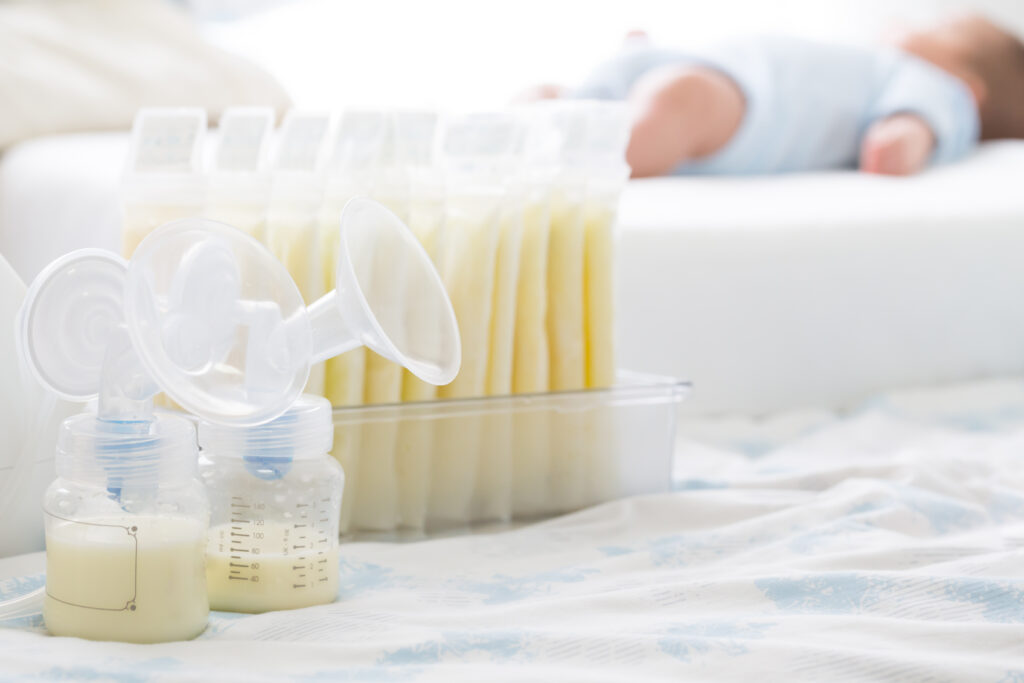
Hygiene and Sterilization of Breast Pumps
Cleanliness is the cornerstone of milk donation. The Centers for Disease Control and Prevention (CDC) provides clear guidelines on how to keep pump parts sanitary.
Hand Washing: Always wash your hands with soap and water for at least 20 seconds before touching your breast pump kit or your breasts. Alcohol-based hand sanitizer with at least 60% alcohol may be used if soap and water are not available.
Cleaning Pump Parts:
After each use, wash all pump parts that come into contact with milk using warm, soapy water. Rinse well and allow the parts to air dry completely on a clean surface.
Always follow the manufacturer’s instructions for your specific pump parts to ensure proper care and prevent damage.
- Disassemble: Remove all parts and pieces of the pump that gets into contact with milk (flanges, valves, membranes, connectors, and milk collection bottles).
- Rinse: Rinse them immediately after use under running water to wash off any remaining milk proteins.
- Wash: Wash all parts in a dedicated basin used only for infant feeding items. Do not place them straight in the sink, to avoid exposure and contamination from bacteria. Use hot, soapy water and a separate brush dedicated for the pump parts.
- Air Dry: Lay the parts on a clean paper towel or a clean drying rack. Do not use a cloth towel to dry them, as cloth can carry germs.
Reference: CDC Guidelines on How to Keep Your Breast Pump Kit Clean (https://www.cdc.gov/hygiene/childcare/breast-pump.html)
Preparing the Breasts and Collection
Before you attach the pump, inspect your breasts. Ensure there are no open sores, blisters, or bleeding on the nipples. If you notice any blood in your milk, do not save it for donation,Stimulating Flow:
To maximize your output, you can use warm compresses or gently massage your breast before pumping. Many mothers find that looking at photos or videos of their baby helps trigger the “let-down” reflex, which releases the milk.
During Collection:
Avoid touching the inside of the storage bag, the bottle, or the inside of the pump flange. Your fingers contain oils and bacteria that should not mix with the clean environment of the milk container. If you are double pumping (pumping both breasts at once), a hands-free pumping bra can help you maintain a comfortable position without fumbling with the bottles, reducing the risk of spills or contamination.

Proper Storage and Labeling
How you store your milk is just as important as how you pump it. Mother’s Milk Bank follows evidence based storage and temperature guidelines to preserve nutrients and limit bacterial growth.
Storage Containers:
Use single-use, sterile breast milk storage bags or food-grade containers provided or approved by your milk bank. Avoid using chemical liners or bags not designed for freezing human milk, as they may burst or leak.
Cooling and Freezing:
- Chill Immediately: If you aren’t freezing the milk immediately, refrigerate.
- Don’t Mix Temperatures: Do not add warm, freshly pumped milk to already chilled or frozen milk. Cool the new milk in the fridge first before combining it with a previous batch from the same day.
- Leave Room: Liquid expands when frozen. Leave about an inch of space at the top of the storage bag or bottle.
- Freeze Quickly: Place the milk in the back of the freezer where the temperature is most constant, rather than the door.
Labeling:
Every bag must be clearly labeled. Use a waterproof marker to write:
- The full date, including the year.
- The approximate amount of milk (in ounces or milliliters).
Transporting Your Milk to Mothers’ Milk Bank California
Once your freezer is stocked and you’re ready to drop off or ship your milk, keeping it fully frozen is essential. Milk that has thawed cannot be refrozen and may need to be discarded.
If you are delivering milk to a Mothers’ Milk Bank California collection center:
- Pack the milk tightly in our insulated cooler. Empty space allows air to circulate and can cause milk to warm.
- Pack the milk tightly to minimize air circulation and help keep it frozen.
- Transport the milk directly to the drop-off location to minimize travel time and temperature changes.
If you are shipping your milk to Mothers’ Milk Bank California:
- Mothers’ Milk Bank California will provide a cooler and a prepaid FedEx shipping label.
- These coolers are designed to keep milk frozen for a defined period (typically 24–48 hours).
- Follow the provided packing instructions carefully and seal the cooler securely to maintain the proper temperature during transit.
- To schedule a FedEx pickup, email Cooler@MothersMilk.org, and our team will assist you.
Help the Most Vulnerable Babies
Donating breast milk is a labor of love that extends far beyond your own family. It requires time, diligent hygiene, and careful organization. But the effort is undeniably worth it. By following these steps, you ensure that your milk is safe and ready to help a fragile infant grow stronger.
If you’re ready to get started, contact Mothers’ Milk Bank California at Donate@MothersMilk.org or call our Donor Services team at 1-877-375-6645 (option 3). Our team will guide you through the screening process and provide support every step of the way.
Your surplus milk can truly be a lifesaver.