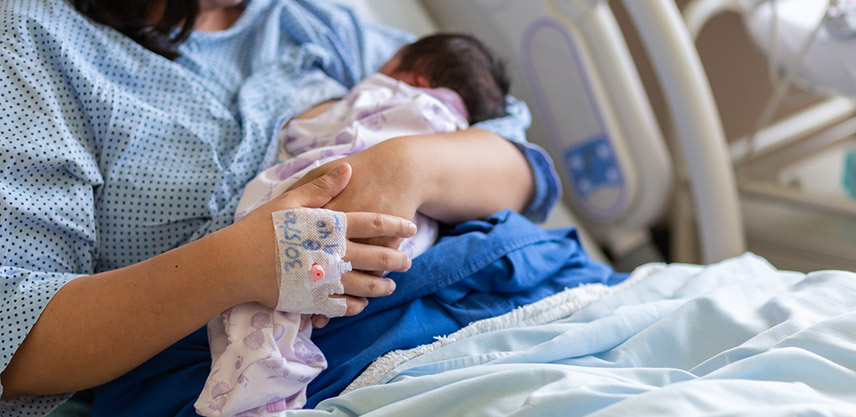
Why are you considering donor milk for your baby? There are many reasons that you might not have a full breast milk supply after birth, including but not limited to:
- Premature birth
- Lactation difficulties
- Absence of the birth mother
- Medical conditions or medications that prevent safe breastfeeding
Do any of these resonate with you? These are common situations, and donor milk can help bridge the gap, ideally until breastfeeding is possible.
The World Health Organization (WHO), American Academy of Pediatrics (AAP), and other prominent health organizations recommend that infants be exclusively breastfed for the first six months after birth and continued until the age of two, or even longer.
Containing a unique blend of vitamins, antibodies, and other bioactive components, breast milk is an optimal food source that adapts in real time to a growing baby’s needs. Breastfeeding is associated with many health benefits to both mom and baby. Babies who are breastfed have a lower risk of several acute infections and chronic illnesses such as asthma, even into adulthood. Moms who breastfeed have a lower risk of conditions such as breast and ovarian cancer, Type 2 diabetes, and high blood pressure.
When breastfeeding isn’t possible, health organizations recommend that for many babies, the best alternative is the use of pasteurized donor human milk (PDHM) from an accredited nonprofit milk bank. Donor milk contains many of the healthy bioactive components in breast milk that are absent from formula. These components include antibodies that may protect against infection, along with enzymes and other molecules that support digestion, boost a baby’s fragile immune system, and promote early development.
The health boost provided by donor milk is especially important for very low birth weight (VLBW) and premature infants, who are at risk of life-threatening complications like necrotizing enterocolitis (NEC), a serious disease with up to a 50% mortality rate. Donor milk has been shown to cut the onset of deadly NEC in half, compared with babies fed formula.
With benefits like optimal nutrition, protection against infections and other health conditions, and support for healthy development, donor milk can help lay the foundation for a lifetime of improved health. Use of donor milk is also associated with increased breastfeeding, which most effectively supports the health of both mom and baby in the long term.
We are here to support you in providing the best possible nutrition for your baby. So, why are you seeking donor milk for your baby? Homing in on your “why” can help guide your decisions when things feel confusing or tough.