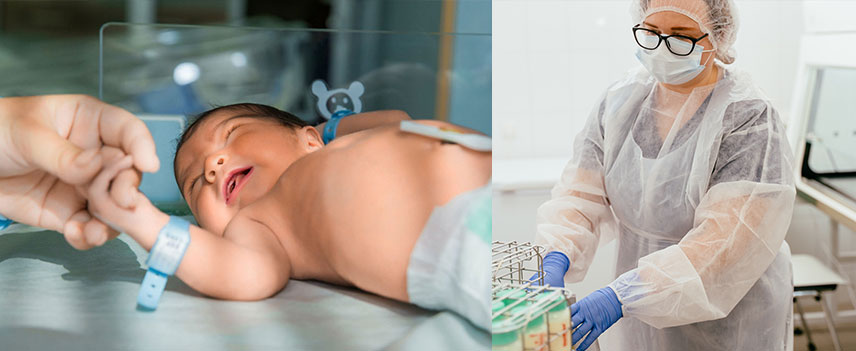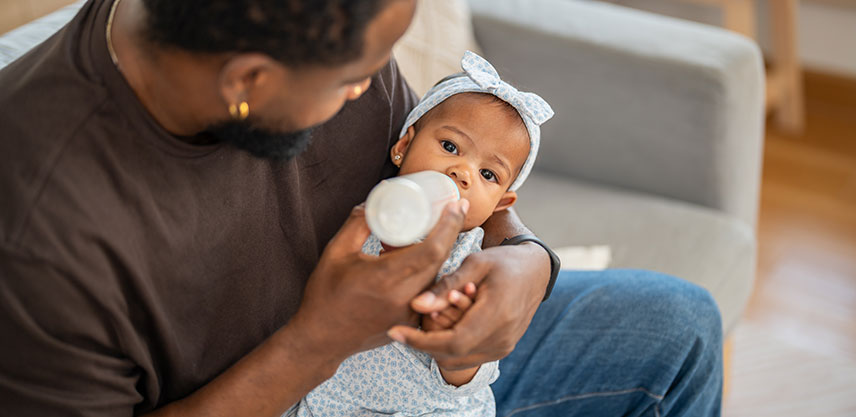
Not all sources of donor milk are created equal. Look for a reputable organization, such as a nonprofit milk bank accredited by the Human Milk Banking Association of North America (HMBANA). HMBANA ensures that milk banks adhere to strict safety protocols and ethical standards that have been developed in collaboration with the U.S. Food and Drug Administration (FDA).
Thanks to this rigor, there are no reported cases of donor milk causing an infection in a baby, and the risk of exposure to noninfectious contaminants, such as medications, drugs, pesticides, or mercury, is also exceedingly low. It is important to understand that informal milk-sharing does not adhere to these standards and is therefore discouraged by health organizations.
There are now 32 HMBANA member milk banks in North America. California is one of very few states to have two HMBANA-accredited nonprofit milk banks within its borders:
- Located in Northern California, Mothers’ Milk Bank California (MMBCA), founded in 1974 by Maria Teresa Asquith as San Jose Mothers’ Milk Bank, is a charter member of HMBANA and the oldest operating nonprofit milk bank in the U.S.
- Located in Southern California, the UC Health Milk Bank was launched out of University of California San Diego (UCSD) in 2022 and is a part of the Human Milk Institute (HMI), which combines research, clinical care, and milk banking.
Although donor milk is increasingly recognized as a valuable resource, not all healthcare providers are fully informed about its availability or benefits. Don’t be discouraged if that’s the case. Look for information and support from reputable organizations, and ask your healthcare provider or lactation consultant for further recommendations.
SCREENING & APPROVAL:
Prospective donors complete a comprehensive medical and lifestyle screening, including detailed health history and third-party blood testing. This ensures that donated milk is free from infectious diseases, medications, drugs, or other factors that could be harmful to fragile infants.
DONATION PROCESS:
Approved donors receive pumping and transport supplies, along with clear instructions. They may ship frozen milk (with all costs covered by MMBCA), schedule a home pickup, or drop off milk at a convenient collection site. Donors do not receive monetary compensation.
MILK HANDLING & PROCESSING:
When milk is received, it is carefully thawed and prepared for processing. If the milk passes initial quality checks, it is pooled with milk from other donors. Pooling helps standardize nutrient composition and reduces the influence of any single donor’s diet or environment.
PASTEURIZATION & SAFETY TESTING:
The pooled milk is pasteurized using the industry-standard Holder method—heating to 62.5°C for 30 minutes—to destroy harmful pathogens while retaining as many of the milk’s beneficial components as possible. The California Department of Public Health (CDPH) Laboratory then conducts microbiological testing to confirm that the pasteurized milk is safe for medically fragile infants.
STORAGE & DISTRIBUTION:
After processing, pasteurized donor human milk (PDHM) is frozen and stored in tamper-evident, BPA-free containers. PDHM can be safely stored for several months until it is needed by hospitals or outpatient families.
As an HMBANA member, MMBCA follows rigorous protocols to ensure that we always provide safe and high-quality donor milk for parents and babies in need.