
Help babies brave this season’s sickness with resilience.
All over the country, the leaves are beginning to change and families are settling into the cozy, comforting rhythms of fall. Yet there’s another seasonal change underway that fills us with a bit of dread: as the weather changes, respiratory viruses become more common, bringing illnesses such as RSV, influenza, and other infections that can be especially serious for young infants.
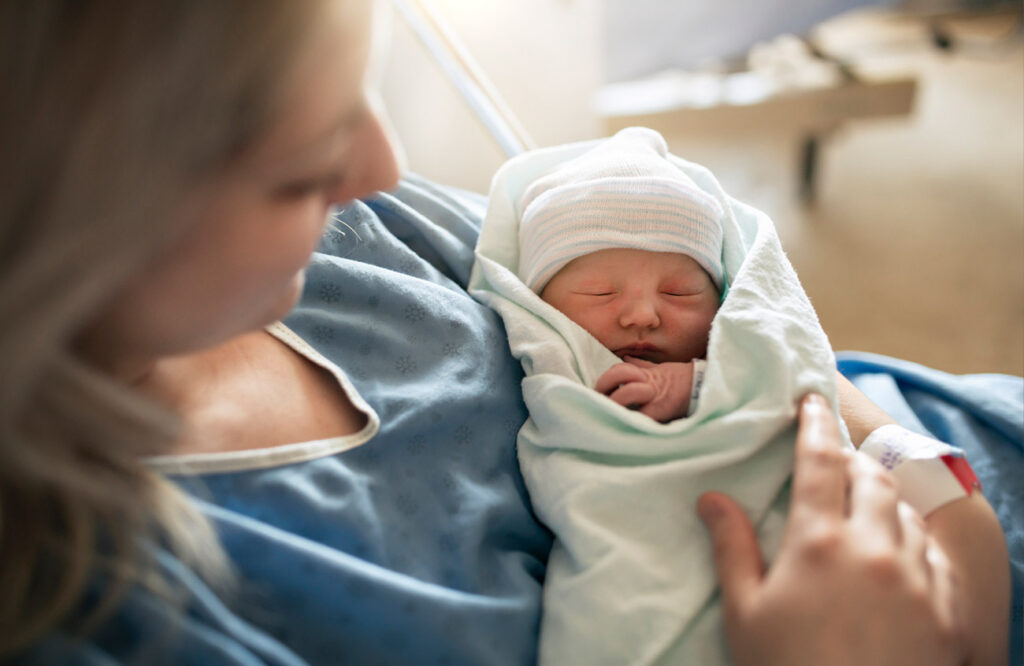
For most healthy babies, a developing immune system is remarkably capable of learning and adapting to seasonal changes and the illnesses they may encounter. But for babies born prematurely, babies with medical conditions, and infants with weakened immune systems, the journey can be more challenging. Their bodies may need extra support as they grow, develop, and learn to fight infection.
That is one reason pasteurized donor human milk is so vital.
When a mother’s own milk is unavailable or not enough to meet an infant’s needs, pasteurized donor human milk can provide important nutrition and immune-supporting components during a particularly vulnerable time.
Human milk is more than nutrition
Human milk is uniquely designed to nourish a growing baby. But its benefits extend beyond calories, protein, fat, vitamins, and minerals. It also contains antibodies and other bioactive components that help support an infant’s developing immune system. The CDC notes that antibodies in breast milk can help babies develop a strong immune system and protect against illness. For a medically fragile infant, these properties can be especially meaningful.
Why vulnerable babies need extra protection
Premature and medically fragile infants can face a higher risk of serious complications from infections. RSV, for example, can be dangerous for infants, with the youngest babies and those born prematurely among those at greatest risk for severe illness. These babies may also spend weeks or months in neonatal intensive care units (NICUs), where supporting healthy growth and protecting their developing bodies are critical parts of care. Human donor milk can play an important role in that support, and here at Mothers’ Milk Bank California, we provide pasteurized human donor milk to over 60% of NICUs and hospitals across California and multiple other states.
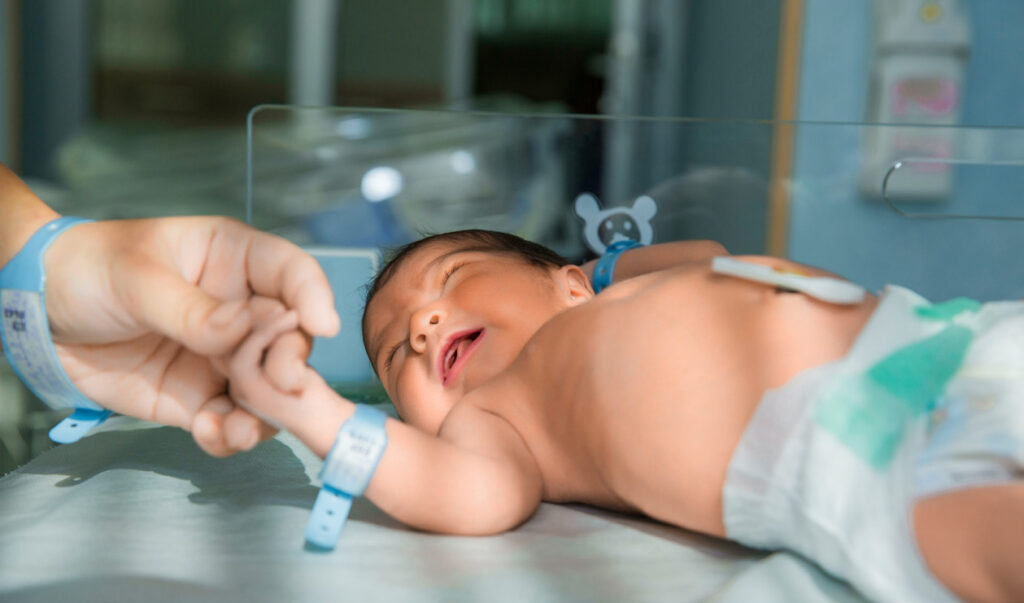
Donor milk isn’t a substitute for vaccines, but it is part of a bigger picture
During this respiratory virus season and beyond, families and healthcare providers have multiple tools to help protect infants. For RSV, the CDC recommends that babies be protected through one of two immunization options: vaccination during pregnancy or an appropriate RSV antibody for the infant. Good hand hygiene, avoiding contact with people who are sick, staying home when ill, following medical guidance, and keeping recommended immunizations up to date can all contribute to protecting vulnerable babies. Human milk is yet another tool in the toolbox.
Donor milk can be a bridge when a mother’s milk isn’t available
There are many reasons a baby may temporarily or permanently need donor milk. A mother may be recovering from birth, working to establish her milk supply, experiencing a medical challenge, or unable to breastfeed. Some babies are adopted, in foster care, born to a surrogate, or have medical circumstances that make donor milk an important part of their feeding plan. At Mothers’ Milk Bank California, most of our outpatient recipients are premature infants in NICUs, but donor milk may also be prescribed for infants with a failing immune system or other medical needs.
Safety matters
When it comes to feeding vulnerable babies, safety is paramount. Pasteurized donor human milk from an accredited milk bank goes through rigorous screening and processing. Mothers’ Milk Bank California is registered with the U.S. Food and Drug Administration, accredited by the Human Milk Banking Association of North America (HMBANA), and licensed as a tissue bank. We screen prospective donors and carefully handle and pasteurize donated milk before distributing it to hospitals and families.
Ready to make a difference this season?
Every ounce of milk we dispense starts with a donor. If you’re pumping or breastfeeding and have extra milk in your freezer, or just want to begin the journey of building a surplus to help vulnerable infants in need, you may be closer to qualifying than you think. Here’s what to know about the process:
- Get started by completing this quick two-minute form
- Schedule a short phone screening call with our team
- Submit your completed donor packet and blood test (provided at no cost)
- Start donating!
Begin your donor application or request milk today.
Your milk could be the layer of protection a baby needs this season and beyond.


