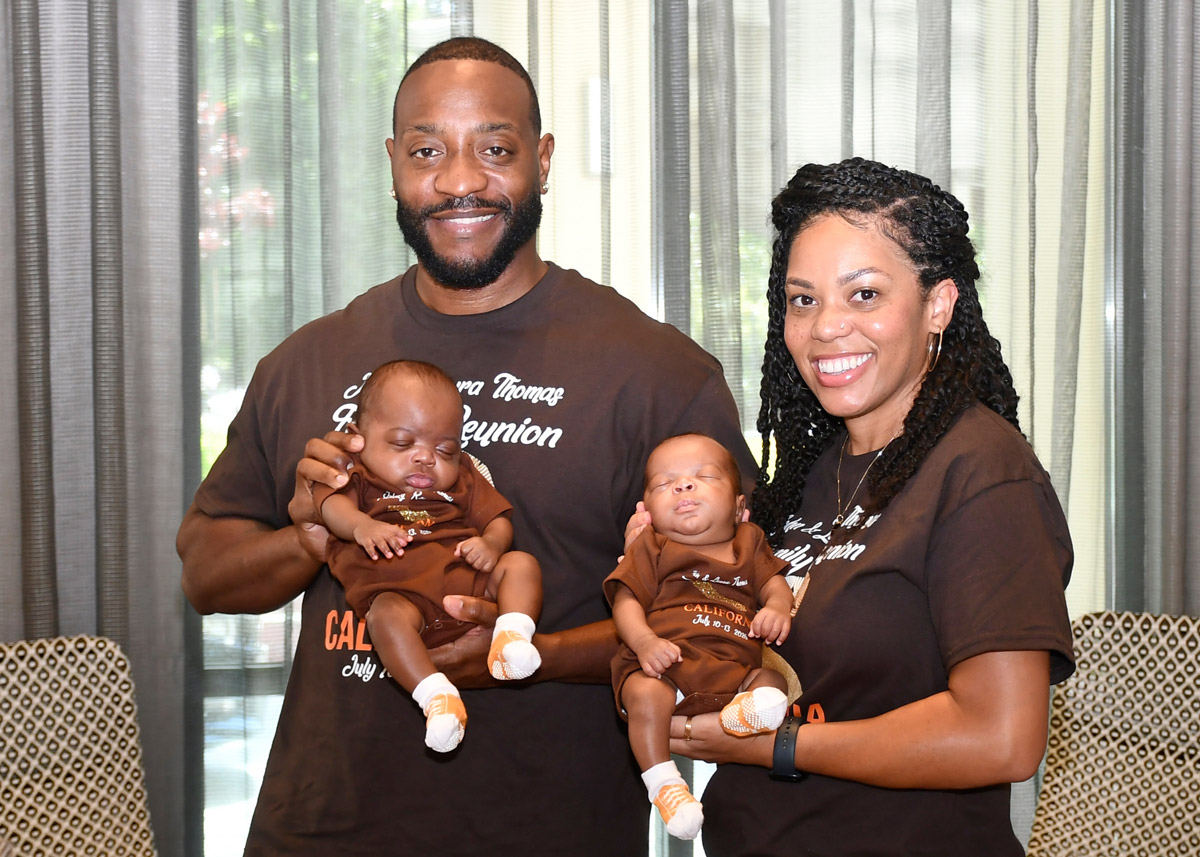
Shana J., a pediatric dietitian and mother of twins, reflects on her decision to donate milk during her twins’ two-month NICU stay
This September, Mothers’ Milk Bank California honors Neonatal Intensive Care Unit (NICU) Awareness Month. We recognize the families whose courage and bravery bring hope across the globe. We celebrate the healthcare professionals who care for them and create healthy futures for our tiniest fighters, and we honor the thousands of milk donors who bring lifesaving nutrients to babies in the critical care of NICUs everywhere.
We sat down with Shana J., a pediatric dietitian specializing in infant and child nutrition, whose professional expertise and personal experience as a NICU mom and milk donor go hand in hand.
Can you tell us about your NICU journey — if you are comfortable sharing, what led to your baby needing care in the NICU?
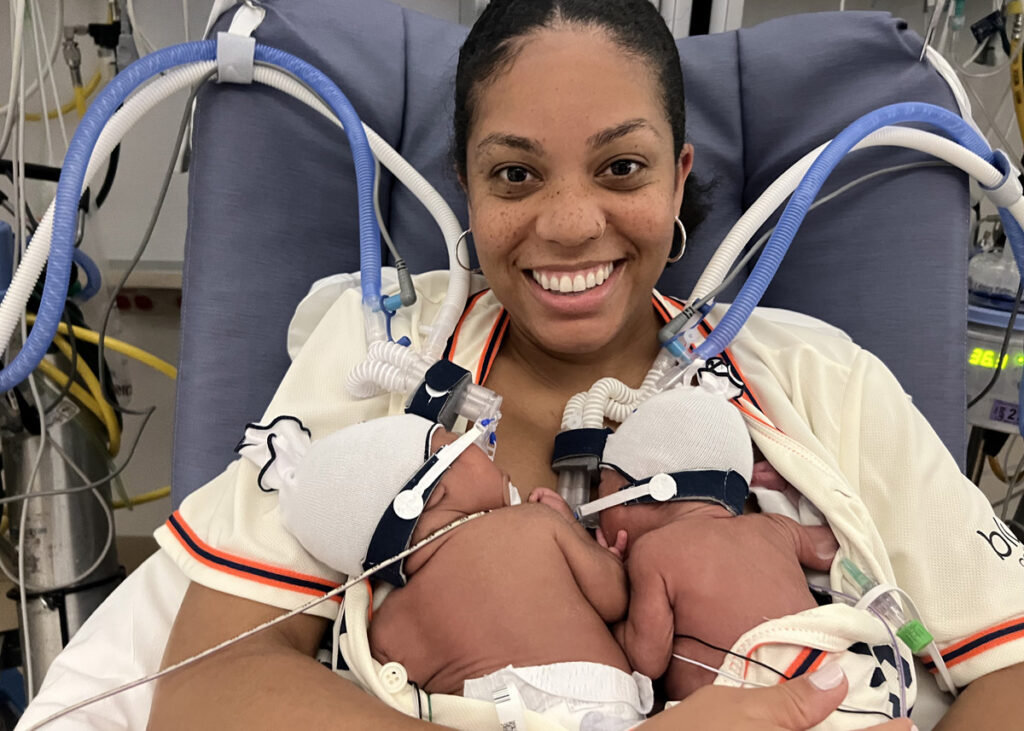
Shana: When I found out I was having twins I was immediately told that I was considered high risk. I didn’t have any issues during my pregnancy until my 28-week growth scan revealed I had placental insufficiency for “twin B.” This meant the placenta was failing to deliver oxygen and nutrients to the baby, resulting in very poor growth. Due to that critical condition, I delivered my babies at 29 weeks via emergency c-section. My babies stayed in the NICU for 69 days. Since they were born very premature, they needed breathing and feeding support until they were old and strong enough to breathe and feed on their own.
How are your babies doing now?
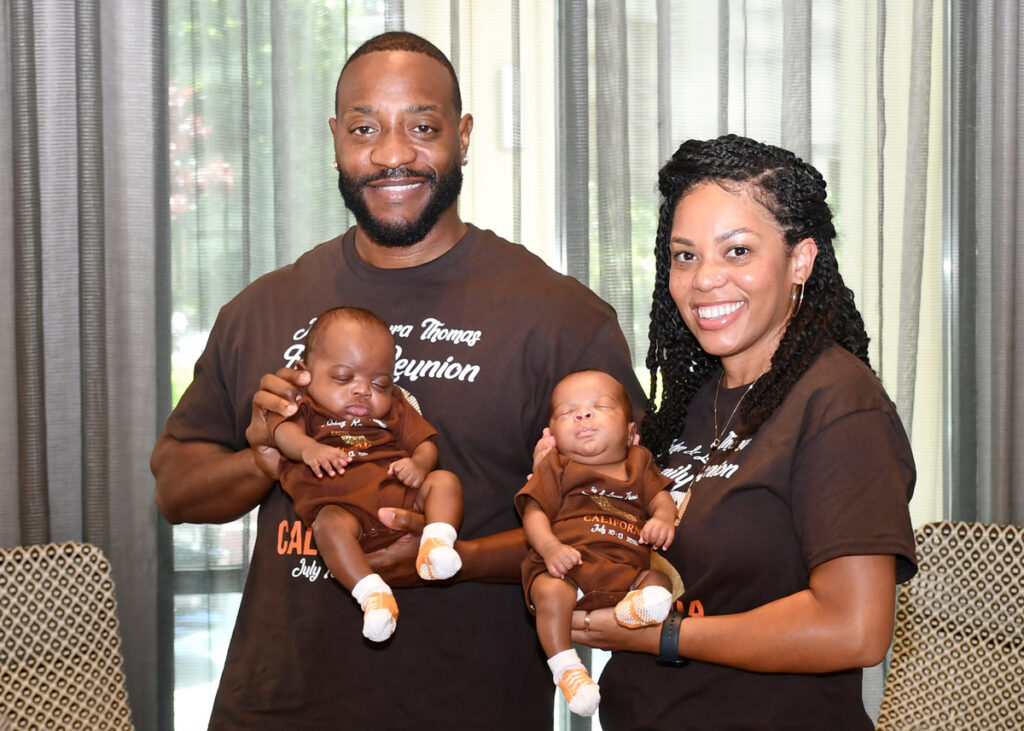
Shana: My babies are doing amazing! They are meeting milestones and growing beautifully.
When did you first learn about milk donation, and what made you decide to do it?
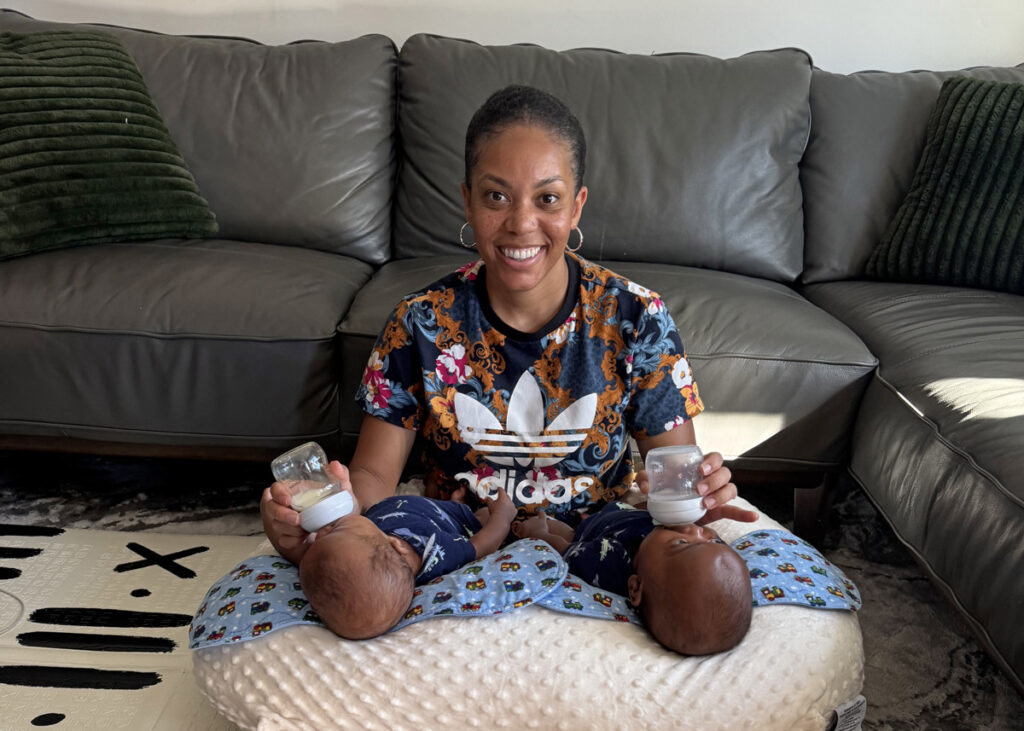
Shana: I first learned about breast milk donation while working as an inpatient pediatric dietitian. Our hospital partnered with Mothers’ Milk Bank California to provide pasteurized donor human milk for those babies in need. I saw the benefits it provided to many of our babies whose own mother’s milk had not come in yet. For me, it was an easy decision to donate my breast milk. My babies used donor breast milk for a few days until my supply kicked in, so I knew that if I had a surplus of milk supply, I wanted to donate.
What was pumping like for you during such an emotionally intense time?
Shana: Pumping is one of the most difficult things I have ever done. It is mentally and physically draining at times. During a time when I felt somewhat helpless as a mother, pumping gave me purpose. It felt good knowing that I was able to provide enough breast milk to meet my babies’ daily needs.
How did Mothers’ Milk Bank California support you through the donation process?
Shana: Mothers’ Milk Bank California organized everything for me. There was clear communication from start to finish. The background and screening check was rigorous, but for me — as a mother whose babies used donor breast milk — it was extremely reassuring knowing the process is conducted with the utmost care.
What would you say to another NICU mom who’s considering donating but feels unsure or overwhelmed?
Shana: The process is very straightforward. You can complete the onboarding and screening on your own time. I felt no pressure during the process and once I donated, I felt so good giving back!
Thank you, Shana! We are cheering your babies on every step of the way.
Learn more about becoming a milk donor during NICU Awareness Month.


