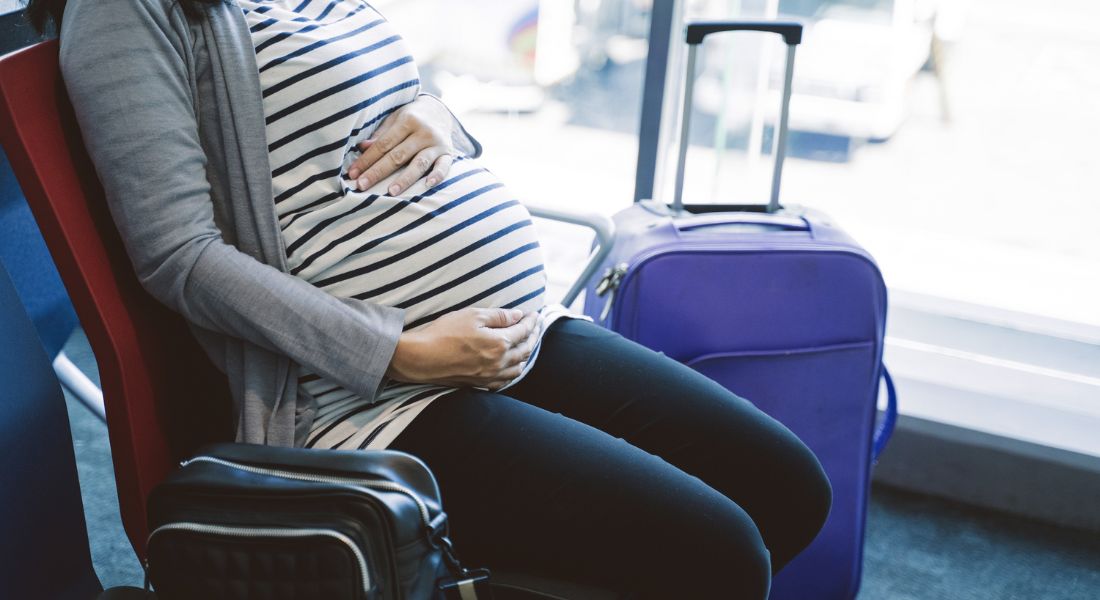
Spring break and summer travel used to feel a little more spontaneous before you became a parent, didn’t it? Pack a bag, book a flight, and the rest gets figured out later. But these days, getting from point A to point B whether you’re pregnant, pumping, or just traveling with kids in general feels more like planning for a survival expedition!
The good news? With a little preparation, traveling during this season of life can absolutely be safe, manageable, and even enjoyable. Here are some tips from Mothers’ Milk Bank California to help you along the way if you’re traveling while pregnant or pumping:
If you’re traveling while pregnant
For most healthy pregnancies, travel is generally safe, especially during the second trimester (weeks 14 – 28), though most commercial airlines allow pregnant travelers to fly until 36 weeks gestation. The 14 – 28 week window is often the most comfortable time to travel: morning sickness may have eased, energy tends to be higher, and mobility is still relatively easy.
Before you go, check in with your healthcare provider – especially if you have a high-risk pregnancy, are carrying multiples, or are planning international travel. It’s also a good idea to bring a copy of your prenatal records (or make sure you will have access to them online) and know where the nearest hospital or clinic is at your destination.
When it comes to getting there, a few small habits can make a big difference:
- Move often. Whether flying or driving, take breaks to stretch or walk every 1-2 hours to support circulation.
- Hydrate well. Dehydration can worsen fatigue and swelling.
- Pack smart snacks. Long lines, unpredictable timelines, and travel delays are real. Steady nutrition helps maintain energy and blood sugar – not to mention good vibes!
- Wear comfortable clothing and compression socks if you’re flying for long stretches to help manage aches and swelling.
If you’re traveling internationally, food and water safety become especially important. Always check with your provider for advice specific to you and your baby’s needs, but as a general rule, it’s best to stick to fully cooked foods, washed fruits, and safe drinking water sources.
The American College of Obstetricians & Gynecologists (ACOG) provides helpful tips for specific types of travel, as well as critical information about what symptoms to watch out for, food and drink safety, and more.

If you’re traveling while pumping
Whether you’re traveling by car, plane, or train, traveling while pumping means bringing a little extra gear – but with the right setup, it’s completely manageable!
For air travel, it’s important to know your rights and be informed of the latest Transportation Security Administration (TSA) policies. According to TSA, formula, breast milk, toddler drinks, and baby/toddler food (including puree pouches) are considered medically necessary liquids. Quantities greater than 3.4 ounces or 100 milliliters are allowed in carry-on baggage and do not need to fit within a quart-sized bag. This also applies to breast milk and formula cooling accessories, such as ice packs, freezer packs, and gel packs (regardless of presence of breast milk). Your child or infant does not need to be present or traveling with you to bring breast milk, formula and/or related supplies.
Here’s what to pack so you’re covered wherever your trip takes you:
Pumping essentials
A well-packed pumping bag can make or break your trip. Start with the core items you’ll need to maintain your pumping routine. According to our donor moms and research, essentials include:
- Breast pump
- Power cord and/or battery pack
- Manual pump (great backup in case of delays or power issues)
- Extra pump parts (flanges, valves, membranes)
- Milk storage bags or bottles
- Labels or marker for dating milk
- Pumping bra for hands-free pumping
- Nursing cover or scarf if you prefer privacy
Storing and transporting pumped milk
Keeping milk safe while traveling requires a little planning, and depending on the length of your travels, you may simply need an insulated cooler bag, or for longer travels, you may need a more long-term solution for keeping milk safe:
- Insulated cooler bag
- Ice packs or frozen gel packs
- Small thermometer (optional but helpful for long trips)
- Extra storage bags in case you pump more than expected
Cleaning supplies
Clean pump parts are key for proper storage and sanitization, especially when you’re on the go! Here are some items that might help you keep things clean:
- Travel-size dish soap
- Bottle brush
- Pump wipes or sanitizing wipes
- Microwave sterilizing bags (if your hotel has a microwave)
- Drying rack or clean towel
Some parents also bring a large zip-top bag or wet/dry bag to store used pump parts until they can wash them properly. A few small “extras” like hand sanitizer, breast pads, a reusable water bottle, and of course plenty of snacks can make pumping while traveling much easier!
For more information on storing and handling breast milk safely, check out our resources here. Got more tips to share with fellow pumping moms? Send us a DM on Instagram or tell us via email.


